Aims of the Toolkit
With this toolkit we aim to…
Increase CAPABILITY: ensuring that service users have the appropriate physical skills, alongside the appropriate knowledge to be active.
Increase MOTIVATION: this relates to the decision making process involved in whether to choose to engage in a particular behaviour.
Increase OPPORTUNITY: this means looking at factors in the external environment such as time, location and resources which impact opportunities to be active.
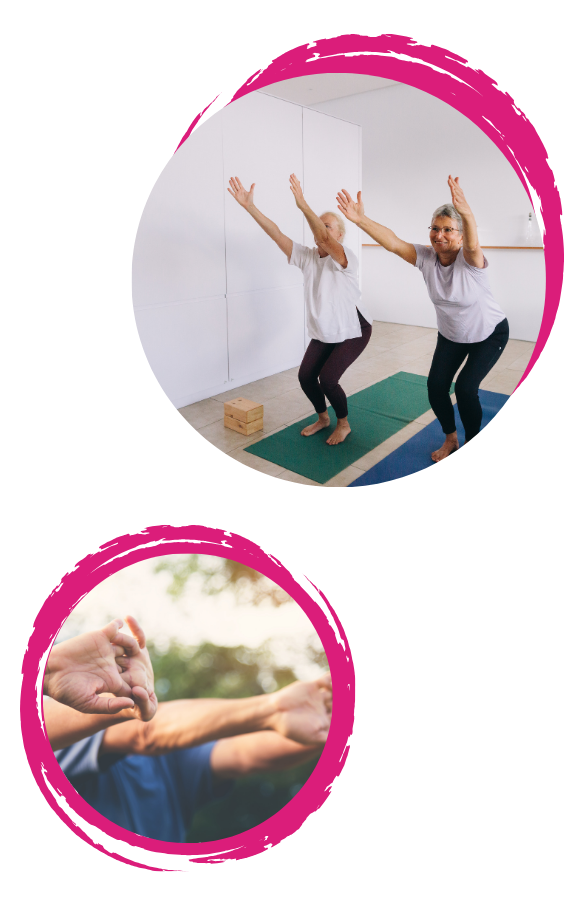
Feel supported

The Benefits of Moving More for Your Mental and Physical Health
What Does Being Active Mean?
There are many ways that service users can be more active.
Circuit
Standing
Games
Walking
Gym
Barriers to Moving More
Busting Myths!
Myth 1
“I need to be with a qualified exercise professional to exercise”
While some activities will require the support of an exercise professional, all of the
activities on this web-based application can be supported by any facilitator.
Myth 2
“I am too unwell for physical activity”
Whilst poor mental and physical health can make it difficult to take part in some activities, there is often an alternative that you can do.
Myth 3
“Physical activity has to be high intensity to be beneficial”
The most beneficial type of physical activity is one that is most enjoyable. Many of the benefits of increasing movement occur regardless of intensity.
Myth 4
“I need to have leave for physical activity”
Whilst some physical activity can be done off the unit, there are many activities that you can do on the unit or in the courtyard, or even from a chair!
How to Support Activities
Click on the headings to reveal some tips and tricks to prepare for excercising!
- Think about the activities that you would like to do more of. If required, ask if a member of staff would be able to support you.
- Think about what time you feel most able to do activities. Some people may feel tired at certain times of the day after medication so it is important to consider this.
- Sometimes you may not feel motivated or capable to do a planned activity. Consider adapting what you planned to do. Even 5-minutes of an activity, or getting some fresh air in the courtyard is beneficial.
Whilst different activities require different outfits, this provides a quick guide of the type of clothing that might be best to do physical activity in. The most important thing is that you are comfortable and
feel you are able to move easily in the clothing that you are wearing.
Top: a lightweight t-shirt or sweatshirt. If you go outside, consider wearing layers that you can take off if you get warm.
Bottom: wear something flexible with an elastic waistband. This could be jogging bottoms, leggings or shorts.
Footwear: a pair of trainers that are comfortable and supportive.
- Think about what you have done well and what you achieved with the activity
- Record your activity somewhere (check the resources section for ideas).
- Consider if you enjoyed the activity? How could it made more enjoyable in the future?
Aclú: Mental Health and Human Rights
Unheard Voices
Our Partners